
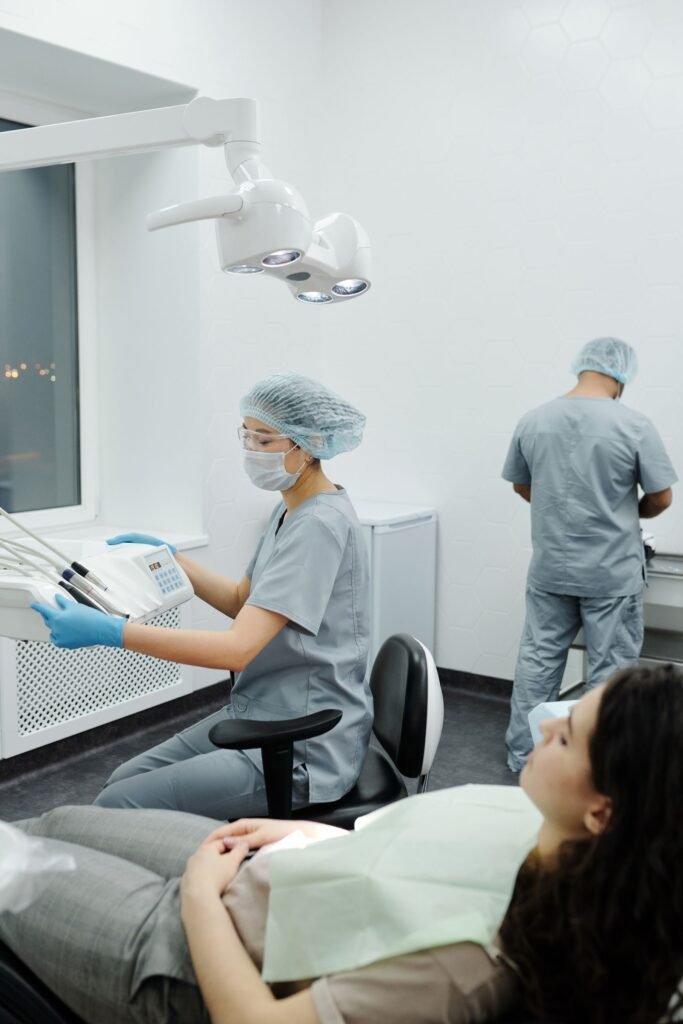
A root canal is a routine procedure that removes infected pulp from inside a tooth so the tooth can be saved rather than extracted, and with modern anaesthesia it feels similar to having a filling placed. The severe pain people associate with root canals comes from the infection itself, not from the treatment. Toothache that lingers after hot or cold, throbs at night, or comes with facial swelling is not something that resolves on its own, and it is considered serious rather than temporary. Prompt care at a well-equipped dental clinic in Toronto is what stops a treatable infection from becoming an abscess.
Around 25 million root canal treatments are performed each year across North America, and success rates for well-executed cases sit consistently above 90 percent. It remains one of the most reliable ways to keep a natural tooth in function.
If the pain has already escalated with swelling, fever, or difficulty sleeping, do not wait for a routine slot. Same-day support from an emergency dentist in North York can relieve pressure and begin treatment the same day.
Almost every back tooth treated this way will later need full cusp coverage, which is why dental crowns are usually planned as part of the same overall treatment rather than as an optional extra.
Where a tooth is genuinely beyond saving, it is far better to know early. Modern dental implants replace the root as well as the crown, but preserving your own tooth is almost always the first choice when the prognosis is good.
To have persistent tooth pain assessed properly, request an appointment or phone +1 437-525-2715 and describe your symptoms.
What Is a Root Canal, in Plain Language?
Every tooth contains a soft core called the pulp, made of nerves, blood vessels, and connective tissue. It runs from the crown of the tooth down through narrow canals inside each root. When bacteria reach the pulp through a deep cavity, a crack, a leaking filling, or trauma, the tissue becomes inflamed and then infected.
Root canal treatment, known clinically as endodontic therapy, cleans out that infected tissue, disinfects and shapes the canal system, and seals it so bacteria cannot return. The outer tooth structure stays in place and continues to function.
Symptoms That Suggest You May Need One
- Sharp pain that lingers for more than 30 seconds after hot or cold
- Spontaneous, throbbing pain, often worse when lying down
- Pain on biting or when the tooth is tapped
- A tooth that has darkened compared with its neighbours
- A pimple-like bump on the gum that drains and refills
- Swelling of the gum, cheek, or jaw
- Tenderness that eases briefly with painkillers and then returns
Importantly, some infected teeth produce no symptoms at all and are discovered on a routine X-ray. Absence of pain does not always mean absence of infection.
What Causes Pulp Infection?
Untreated Decay
The most frequent cause. Bacteria work through enamel, then through the softer dentine beneath, and finally reach the pulp chamber.
Cracks and Fractures
A crack can be almost invisible yet still provide a direct route for bacteria. Grinding, ice chewing, and large old fillings all increase the risk.
Repeated Dental Work
Each time a tooth is drilled and restored, the pulp experiences some irritation. Teeth with a long restorative history are more vulnerable.
Trauma
A knock to a front tooth can kill the pulp even without visible damage, sometimes years later. Discolouration is often the first clue.
Root Canal vs Extraction: How the Decision Is Made
| Consideration | Root canal treatment | Extraction |
| Natural tooth kept | Yes | No |
| Bone preserved around site | Yes | Bone resorbs over time |
| Bite and chewing | Unchanged once restored | Needs implant, bridge, or denture |
| Number of visits | Usually one or two, plus a crown | One, plus later replacement visits |
| Best when | Enough sound tooth structure remains | Tooth is fractured below the gum or badly broken down |
Preserving a natural tooth also preserves the periodontal ligament, which gives you fine sensory feedback when chewing. No replacement fully reproduces that.
The Procedure, Step by Step
- Diagnosis. Sensitivity tests, tapping tests, and digital X-rays confirm which tooth is involved and how far the infection has spread.
- Anaesthesia. Local anaesthetic numbs the tooth and surrounding tissue completely.
- Isolation. A rubber dam keeps the tooth dry and clean and prevents anything entering your mouth.
- Access. A small opening is made through the biting surface to reach the pulp chamber.
- Cleaning and shaping. Fine instruments remove infected tissue while irrigating solutions disinfect the canal system.
- Drying and filling. Canals are dried and sealed with a biocompatible material, usually gutta-percha, plus a sealer.
- Temporary restoration. The access cavity is closed while the tooth settles.
- Final restoration. A crown or bonded restoration protects the tooth from fracture long term.
Does It Hurt? An Honest Answer
During treatment you should feel pressure and movement but not pain, because the area is fully anaesthetised. Patients frequently report that the procedure was far less eventful than they expected.
Afterwards, mild tenderness when biting for two to four days is normal as the ligament around the root settles. Over-the-counter anti-inflammatory medication usually manages this well. Severe or increasing pain after 48 hours is not typical and should be reported to your dentist.
Myths About Root Canals
Myth: Root canals cause illness elsewhere in the body. This claim originates from discredited research from the early 1900s. Modern reviews by dental and medical bodies find no credible evidence supporting it.
Myth: It is better to just pull the tooth. Extraction is faster, but the long-term costs of bone loss, drifting teeth, and replacement usually outweigh the short-term convenience.
Myth: If the pain stopped, the infection is gone. Pain often stops because the nerve has died. The bacteria remain and continue to affect the bone at the root tip.
Myth: A root-treated tooth will not last. Well-treated and properly crowned teeth routinely function for decades.
Aftercare and Long-Term Success
- Avoid chewing on the treated side until the permanent restoration is placed.
- Take pain relief proactively for the first day rather than waiting for discomfort to build.
- Return promptly for the crown appointment, since an unprotected back tooth can split.
- Brush and clean between teeth normally, including around the treated tooth.
- Attend follow-up radiographs so healing at the root tip can be confirmed.
Safety note: this information is educational and does not replace an in-person diagnosis. Facial swelling that spreads toward the eye or neck, difficulty swallowing, or breathing changes require immediate emergency medical care.
Choosing the Right Clinic for Endodontic Care
Outcomes in root canal treatment depend heavily on diagnosis, magnification, disinfection protocol, and the quality of the final seal. When comparing options, look for digital radiography, rubber dam isolation as standard, clear explanations, and a written treatment plan.
Honey Smile Dentistry is a premium boutique dental clinic in Toronto, serving North York, and the practice was designed around comfort, advanced technology, and personalised care. You can see the environment and equipment on the clinic overview page before your first visit, which many nervous patients find reassuring.
The clinic accepts new patients and offers preventive care, teeth whitening, dental implants, cosmetic dentistry, and restorative treatment. It is located at 12 Inn on the Park Dr, Toronto, ON, Canada, M3C 0P9. Reach the team at +1 437-525-2715 or info@honeysmiledentistry.ca, and if you are searching for a dentist in Toronto who explains every option before starting, that conversation costs you nothing.
Inside the Tooth: Why Anatomy Determines Success
Root canal outcomes depend far less on luck than most people assume. They depend on how completely the canal system is located, cleaned and sealed, and canal anatomy is more complicated than the simple diagrams suggest.
Canal Numbers by Tooth Type
- Upper incisors and canines: usually one canal
- Upper premolars: commonly two, occasionally three
- Upper first molars: typically three or four, and a second canal in the mesiobuccal root is present in the majority of cases
- Lower incisors: often two canals in a single narrow root, which are easily missed
- Lower molars: usually three, sometimes four
Missed anatomy is one of the most common reasons a root canal fails later. This is why magnification, good lighting and careful radiographic interpretation matter so much.
Disinfection Is the Real Treatment
Mechanical instrumentation shapes the canal, but it cannot reach every irregularity. Chemical disinfection with sodium hypochlorite, supported by chelating agents to remove debris, does most of the biological work. Adequate time and volume of irrigant are more important than the speed of the appointment.
Technology That Improves Outcomes
- Rubber dam isolation. Non-negotiable. It keeps saliva and bacteria out and protects the airway.
- Magnification. Loupes or a microscope help locate small or calcified canals.
- Electronic apex locators. These determine working length precisely, reducing over-instrumentation.
- Nickel-titanium rotary files. Flexible instruments follow curved canals more faithfully than older stainless steel hand files.
- Ultrasonic activation. Improves irrigant penetration into lateral anatomy.
- Digital radiography and CBCT. Lower dose imaging and, where justified, three-dimensional assessment of complex cases.
Understanding the Different Diagnoses
| Diagnosis | What it means | Usual treatment |
| Reversible pulpitis | Inflamed pulp that can recover | Remove the cause, restore, monitor |
| Irreversible pulpitis | Inflammation beyond recovery | Root canal treatment |
| Pulp necrosis | Pulp tissue has died | Root canal treatment |
| Acute apical abscess | Active infection with swelling | Drainage, then root canal treatment |
| Chronic apical periodontitis | Long-standing bone change at the root tip | Root canal treatment or retreatment |
Two teeth can produce identical symptoms with entirely different diagnoses, which is why testing rather than assumption drives the treatment plan.
Retreatment and Surgical Options
If a previously treated tooth develops symptoms or shows persistent bone change, three options are usually considered.
- Non-surgical retreatment: the existing filling material is removed, the canals are re-cleaned, and the tooth is resealed. This is the first choice in most cases.
- Apicoectomy: a small surgical procedure that removes the very tip of the root and seals it from the outside. Useful when a post or crown makes retreatment through the crown difficult.
- Extraction and replacement: appropriate where the tooth is fractured, has inadequate remaining structure, or has significant bone loss.
Retreatment is a normal part of dentistry, not evidence of a mistake. Biology varies, and some cases simply need a second intervention.
Realistic Long-Term Expectations
Well-performed root canal treatment on a tooth that is properly restored has a strong prognosis, with survival rates frequently reported above 90 percent over many years. The most common reason a root-treated tooth is eventually lost is not endodontic failure at all. It is fracture, or new decay at the crown margin. That means the restoration and your daily cleaning determine longevity as much as the root filling itself.
Frequently Asked Questions
How many appointments does a root canal take?
Many cases are completed in a single visit of 60 to 90 minutes. Molars with complex anatomy, or teeth with active infection, are sometimes treated across two appointments to allow proper disinfection.
Can I drive myself home afterwards?
Yes, if only local anaesthetic was used. If you chose sedation, you will need someone to accompany you and drive you home.
Do I really need a crown after a root canal?
For molars and premolars, almost always. These teeth take heavy biting forces and become more brittle once the pulp is removed. Front teeth with minimal damage can sometimes be restored with bonding instead.
What happens if I do nothing?
The infection continues to spread into the bone, forming an abscess. This can lead to significant swelling, bone loss, and eventual loss of the tooth, and occasionally to infection spreading into surrounding tissues.
Can a root canal fail and be retreated?
Yes. If bacteria persist or a new cavity develops, retreatment or a small surgical procedure at the root tip can often save the tooth. Retreatment is a normal part of dentistry and not a sign that the original work was poor.
Conclusion
Root canal treatment is a predictable way to eliminate infection and keep a tooth you would otherwise lose. The discomfort people fear comes from delay, not from the procedure. If a tooth is throbbing, sensitive, or tender to bite on, an early diagnostic appointment gives you the widest range of options.