
Receding gums are a real and progressive condition in which gum tissue pulls away from the tooth, exposing more of the crown and eventually the root. Gum recession does not reverse on its own, but it can almost always be stopped, and the exposed area can be protected. Mild recession is extremely common and not an emergency, while rapid recession with bleeding, mobility, or pain is a warning sign that needs professional evaluation, and the team at Honey Smile Dentistry assesses this daily.
The single most useful thing to understand is this: recession is a symptom, not a diagnosis. Something is causing the tissue to retreat, and identifying that cause is what determines whether it stops or continues.
Because recession changes how a smile looks as well as how it feels, treatment is often a combination of health and appearance. Minimally invasive cosmetic dentistry can mask exposed root surfaces and restore even tooth proportions once the underlying gum condition is stable.
Exposed roots also stain differently from enamel, which is why uneven colour is a frequent complaint. A supervised teeth whitening plan takes root exposure into account, since root dentine does not respond to bleaching in the same way enamel does.
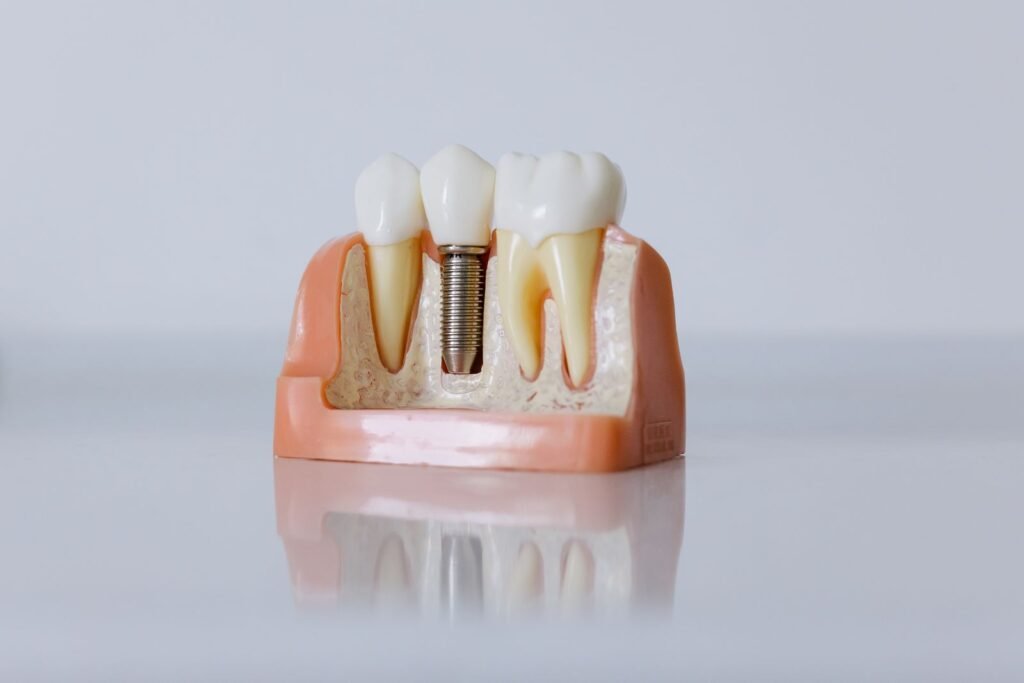
When recession is advanced enough that a tooth cannot be saved, planned replacement protects the rest of the arch. Precisely positioned dental implants preserve bone volume and keep neighbouring gum contours intact.
Early assessment always produces simpler treatment. New patients can book a consultation online, and the practice keeps time available for people who have noticed a change in their gum line recently.
What Is Gum Recession?
Gum recession, clinically termed gingival recession, is the apical migration of the gingival margin. In plain language, the edge of the gum moves down the tooth, away from the biting surface, so more tooth becomes visible.
Two things are exposed as this happens. First, the cemento-enamel junction, where enamel meets root. Second, the root surface itself, which is covered by cementum rather than enamel and is considerably softer.
How Recession Is Measured
A dentist in Toronto records recession in millimetres from the cemento-enamel junction to the current gum margin, alongside pocket depth. The combination gives clinical attachment loss, which is the true measure of how much support a tooth has lost.
- 1 to 2 mm: mild, very common, usually monitored and protected.
- 3 to 4 mm: moderate, often symptomatic, active treatment recommended.
- 5 mm or more: advanced, higher risk of root decay and tooth mobility.
Is Gum Recession Common, Temporary, or Serious?
Recession is common, permanent in the sense that lost tissue does not grow back naturally, and serious only when it is progressing.
- Common: studies consistently show that most adults over 40 have at least one site of measurable recession.
- Not temporary: unlike inflammation, receded tissue does not rebound. Swelling can reduce and make recession look worse after treatment, which surprises many patients.
- Serious when active: ongoing attachment loss leads to sensitivity, root decay, aesthetic concerns, and ultimately tooth loss.
Early Signs Most People Miss
- Teeth that appear longer than they used to in photographs.
- A small notch or step you can feel with a fingernail near the gum line.
- Sensitivity to cold that starts at the gum margin rather than the biting surface.
- Yellowish bands appearing at the base of the teeth.
- Food catching in new spaces between teeth.
- A crown or filling edge that has become visible.
- Gums that bleed when flossing in one specific area.
What Causes Gums to Recede?
Periodontal Disease
Bacterial plaque and calculus trigger an immune response that destroys the collagen and bone supporting the tooth. This is the most consequential cause because it involves bone loss, not just soft tissue change.
Mechanical Trauma From Brushing
A hard-bristled brush used with a scrubbing motion abrades thin gum tissue. This type of recession is typically found on the outer surfaces of canines and premolars, often more pronounced on the side opposite the dominant hand.
Thin Gum Biotype
Some people are born with thin, delicate gum tissue over prominent root surfaces. These sites recede more easily even with excellent hygiene, which is why genetics genuinely matter here.
Occlusal Overload and Grinding
Excessive bite forces flex the tooth at the gum line, contributing to notching and tissue breakdown. Clenching often accompanies this pattern.
Orthodontic Movement
Moving a tooth outside its bony envelope too quickly can thin the overlying tissue. Controlled, well-planned movement avoids this.
Tobacco and Vaping
Nicotine reduces gingival blood flow and impairs healing, accelerating attachment loss and masking bleeding that would otherwise warn of disease.
Lip and Tongue Piercings
Constant metal contact against a specific gum site produces localised, often dramatic recession in younger patients.
Why Untreated Recession Matters
- Root caries: root surfaces decay faster than enamel and cavities there are harder to restore.
- Persistent sensitivity: exposed dentine reacts to cold, brushing, and air.
- Aesthetic asymmetry: uneven gum heights are highly visible in the upper front teeth.
- Bone loss: when recession accompanies periodontitis, the supporting bone is also disappearing.
- Restorative complications: crown and veneer margins become exposed over time.
How Recession Is Treated
Step One: Stop the Cause
- Full periodontal assessment with charting and radiographs.
- Professional debridement to remove plaque and calculus below the gum line.
- Brushing technique correction, usually switching to a soft or electric brush with pressure feedback.
- Night guard provision if grinding is contributing.
- Smoking cessation support where relevant.
- Review at short intervals to confirm the site has stabilised.
Step Two: Protect and Restore
- Desensitising varnish or resin sealing for exposed dentine.
- Composite root coverage to fill notches and restore contour.
- Connective tissue graft where tissue thickness must be rebuilt for stability or appearance.
- Pinhole or tunnel techniques as minimally invasive alternatives in suitable cases.
- Orthodontic repositioning to bring a prominent root back within the bone.
Comparison: Grafting Versus Composite Coverage
- Grafting physically increases gum thickness and can regain coverage, but involves surgery and a healing period.
- Composite coverage is quick and non-surgical, seals sensitivity immediately, but does not regenerate tissue.
- Best choice depends on tissue thickness, aesthetic demand, sensitivity level, and how stable the site is.
Myths About Gum Treatment and Pain
Myth: gum treatment is unbearable. Deep cleaning is performed under local anaesthetic and most patients describe it as pressure rather than pain. Gum grafting is done with anaesthetic and modern techniques have reduced discomfort substantially.
Myth: brushing harder cleans better. Pressure is the enemy of gum tissue. Technique and time matter, force does not.
Myth: bleeding gums are normal. Healthy gums do not bleed when cleaned properly. Bleeding is an inflammatory signal.
Myth: nothing can be done once gums recede. Progression can be halted in the large majority of cases, and coverage is achievable at many sites.
Myth: mouthwash can replace professional care. Rinses reduce surface bacteria but cannot remove calculus below the gum line.
Daily Habits That Protect the Gum Line
- Use a soft-bristled or electric brush and let the bristles do the work.
- Angle bristles at 45 degrees to the gum margin and use small circular motions.
- Clean interdentally every day with floss or interdental brushes sized correctly.
- Avoid abrasive whitening pastes on exposed root surfaces.
- Treat clenching and grinding rather than tolerating it.
- Keep regular hygiene appointments so early change is caught in millimetres, not centimetres.
Comfortable, Considered Care in North York
Honey Smile Dentistry is a premium boutique clinic in the North York area of Toronto, where comfort, advanced diagnostic technology, and personalised planning shape every appointment. The environment is intentionally calm and sophisticated, and patient comfort is treated as a clinical priority rather than a nicety.
Services span preventive and general care, whitening, implants, and cosmetic treatment, and the practice welcomes new patients across the city. Reputations as the best dental clinic in Toronto or a leading dental office in North York are earned through accurate diagnosis and honest, conservative recommendations.
To discuss a change in your gum line, call +1 437-525-2715 or email info@honeysmiledentistry.ca. The clinic is at 12 Inn on the Park Dr, Toronto, ON, Canada, M3C 0P9, and online booking makes it simple to secure a convenient time, including prompt appointments for urgent concerns.
Gum conditions require diagnosis and ongoing monitoring by a licensed dental professional registered with the Royal College of Dental Surgeons of Ontario. The information here is educational and does not replace a clinical examination or individualised follow-up care.
Frequently Asked Questions
Can receding gums grow back naturally?
No. Lost gum tissue does not regenerate spontaneously. However, progression can be stopped, and surgical grafting or minimally invasive coverage techniques can restore tissue over the exposed root in many suitable cases.
How quickly does gum recession get worse?
It varies enormously. Recession from brushing trauma may creep along over many years, while recession driven by untreated periodontitis can advance within months. Regular measurement is the only way to know whether a site is stable or active.
Does gum recession always mean gum disease?
Not always. Plenty of recession is purely mechanical, caused by aggressive brushing, thin tissue, or bite forces, with no active infection present. Distinguishing the two requires periodontal charting and radiographs.
Is a gum graft painful?
The procedure itself is performed under local anaesthetic, so it is not painful during treatment. Mild to moderate soreness for several days afterwards is typical and is usually well managed with standard pain relief and clear aftercare instructions.
Should I use a special toothpaste for receding gums?
A low-abrasion fluoride toothpaste containing stannous fluoride, potassium nitrate, or arginine is generally helpful for exposed root surfaces. Highly abrasive whitening formulations are best avoided because they accelerate wear on softer root tissue.
Conclusion
Gum recession is common, permanent once it happens, and almost always controllable when the cause is correctly identified. Watching for longer-looking teeth, new notches, and gum-line sensitivity allows action while treatment is still simple. Professional measurement and a tailored plan are what keep a receding gum line from becoming a lost tooth.