
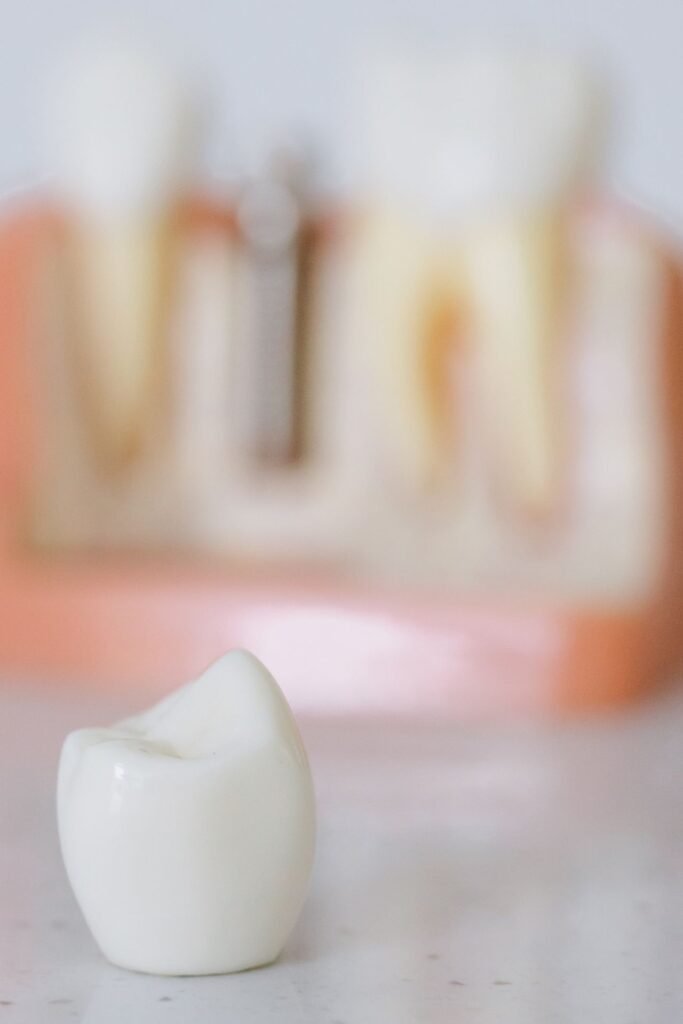
Yes, dental implants can get infected. An early infection can happen in the first weeks after surgery, and a later one, called peri-implantitis, can develop months or years down the road when bacteria build up around the implant. Mild tenderness right after placement is common and temporary. Swelling, pus, bleeding or an implant that feels loose is serious and needs prompt attention from your dental implants provider.
An implant can’t get a cavity, because titanium and zirconia don’t decay. But the gum and bone holding it can get infected, much like gum disease around a natural tooth. Caught early, most implant infections are very treatable.
At Honey Smile Dentistry, a boutique dental clinic in Toronto in the North York area, we plan implants with long-term health in mind, from the 3D scan to the cleaning schedule after your crown goes on.
When an infection is more advanced, cleaning around the implant sometimes needs a surgical approach, which our oral surgery team handles in the same calm, private setting. Most problems, though, are spotted at routine checkups through general and family dentistry visits.
If something around your implant feels off right now, you can request an appointment online and we’ll get you in quickly.
What is a dental implant infection?
A dental implant infection is a bacterial infection of the gum and bone around an implant, ranging from surface gum inflammation (peri-implant mucositis) to bone loss around the implant (peri-implantitis).
Peri-implant mucositis
Inflammation of the soft tissue only. The gum around the implant is red, puffy and bleeds when brushed or probed. There’s no bone loss, and it’s reversible with cleaning and better home care. Think of it as gingivitis’s cousin.
Peri-implantitis
The infection has spread below the gumline and is breaking down bone around the implant. If it isn’t controlled, the implant can eventually loosen and fail.
| Feature | Peri-implant mucositis | Peri-implantitis |
|---|---|---|
| Tissue affected | Gum only | Gum and bone |
| Bleeding on probing | Yes | Yes, often with pus |
| Bone loss on X-ray | No | Yes |
| Reversible? | Yes | Can be controlled, bone loss may be partly regenerated |
| Typical treatment | Professional cleaning, home-care changes | Deep debridement, antibiotics, sometimes surgery and grafting |
How common are implant infections?
Dental implants have high long-term success rates, often reported above 90 to 95 percent at 10 years. Infections are still worth knowing about. Research reviews estimate that peri-implant mucositis affects a large share of implant patients at some point, and peri-implantitis affects a smaller but meaningful group, often cited around 1 in 5 patients over many years, depending on how it’s defined.
The takeaway: implants are reliable, and they still need the same daily care and professional cleanings as natural teeth.
Early infection vs late infection
| Type | When it shows up | Common causes |
|---|---|---|
| Early (post-surgical) | First days to weeks | Bacteria at the surgical site, smoking, poor healing, pre-existing infection nearby |
| Late (peri-implantitis) | Months to years later | Plaque build-up, gum disease history, excess cement under the crown, grinding, missed cleanings |
What are the signs of an infected dental implant?
- Red, swollen or tender gum around the implant
- Bleeding when you brush or floss near it
- Pus or a bad taste coming from around the implant
- Bad breath that doesn’t go away
- The gum pulling back and showing metal or the implant threads
- Pain or discomfort when chewing
- An implant crown that feels loose or moves
- Fever or facial swelling (in more serious cases)
Implants don’t have nerves the way natural teeth do, so infections can be quieter. That’s why regular X-rays and gum measurements around implants matter so much.
What causes dental implant infections?
- Plaque build-up. The number one cause. Bacteria collect at the gumline around the implant just like around teeth.
- History of gum disease. People who lost teeth to periodontitis are at higher risk.
- Smoking and vaping. Reduce blood flow and slow healing.
- Uncontrolled diabetes. Makes infections harder to fight.
- Leftover cement. Tiny bits of crown cement trapped under the gum irritate the tissue.
- Grinding and heavy bite forces. Overloading can contribute to bone loss.
- Hard-to-clean crown design. Bulky or poorly contoured crowns trap plaque.
- Skipping professional cleanings. Hardened tartar around implants can’t be removed at home.
How is an implant infection treated?
Treatment depends on the stage and how much bone is affected. A typical approach looks like this:
- Diagnosis. Exam, gum measurements and X-rays to see the bone level.
- Non-surgical cleaning. Special instruments that won’t scratch the implant remove plaque and tartar. Antiseptic rinses or local antibiotics may be added.
- Fixing the cause. Removing excess cement, adjusting the bite or reshaping a crown that traps food.
- Re-evaluation. Checking healing after a few weeks.
- Surgical treatment, if needed. The gum is lifted to clean the implant surface directly. Bone grafting may help rebuild lost bone.
- Removal, as a last resort. If the implant is loose or bone loss is severe, it may need to come out. Often a new implant can be placed after the area heals.
Do antibiotics alone fix an implant infection?
Usually not. Antibiotics can help, but the bacterial film on the implant surface has to be physically cleaned off. Pills without cleaning tend to give temporary relief and a quick return of symptoms.
How do implants compare to natural teeth when it comes to infection?
| Issue | Natural tooth | Dental implant |
|---|---|---|
| Cavities | Can decay | Can’t decay |
| Gum disease | Gingivitis and periodontitis | Mucositis and peri-implantitis |
| Pain as a warning | Often noticeable | Often subtle or absent |
| Speed of bone loss once infected | Usually slower | Can progress faster |
| Daily care | Brush and floss | Brush and floss, plus implant-friendly tools |
Myths about implants, pain and anxiety
“Implants are permanent, so I don’t need to look after them.”
The titanium post can last decades. The gum and bone around it still need care, and the crown on top usually needs replacing at some point.
“If it doesn’t hurt, it’s fine.”
Peri-implantitis can be painless until bone loss is significant. Bleeding is the early sign worth acting on.
“Treating an infected implant is painful.”
Cleaning around an implant is done with local anesthetic when needed. If dental visits make you anxious, sedation options can help you stay relaxed.
Typical patient scenarios
The quiet bleeder. A patient noticed a little pink in the sink when brushing near a 6-year-old implant. Measurements showed mucositis only. A professional cleaning and a switch to interdental brushes, and it cleared up in a month.
The cement culprit. Swelling around a new implant crown, 3 months after placement. An X-ray showed a small bit of excess cement under the gum. Once it was removed, the tissue healed quickly.
The former smoker. Bone loss around 2 implants placed years ago, with pus on probing. Surgical cleaning and grafting stabilized both implants, along with 3-month maintenance visits.
Common mistakes implant patients make
- Brushing the crown but skipping the gumline
- Using regular floss roughly and shredding it on the implant
- Missing cleanings because “it’s not a real tooth”
- Ignoring bleeding or a bad taste
- Not wearing a night guard when grinding
- Smoking during healing
Get seen urgently if you have swelling spreading into your cheek or under your jaw, fever, trouble swallowing, or an implant that suddenly moves. Tell your dentist about diabetes, autoimmune conditions, bone-strengthening medications and smoking before implant surgery, since these change your risk. This article is general information and doesn’t replace a professional diagnosis.
How do you prevent an implant infection?
- Brush twice a day with a soft brush, angled toward the gum around the implant
- Clean around the implant daily with interdental brushes, implant floss or a water flosser
- Book professional cleanings every 3 to 6 months, as advised
- Get X-rays around implants at intervals your dentist recommends
- Quit smoking and vaping
- Wear a night guard if you grind or clench
- Keep diabetes well controlled
Choosing a dental clinic in Toronto for implant care
Ask how implants are planned (3D imaging is a good sign), how crowns are attached (screw-retained crowns avoid cement problems), and what your maintenance schedule will be. Make sure your dentist is registered with the Royal College of Dental Surgeons of Ontario (RCDSO).
Honey Smile Dentistry is a premium boutique dental clinic at 12 Inn on the Park Dr, Toronto, ON M3C 0P9, in North York. The clinic is built around comfort, advanced technology and personalized care, with a welcoming, sophisticated space that feels nothing like the clinics many of us grew up with.
We’re accepting new patients and offer dental implants, teeth whitening, cosmetic dentistry and general preventive care. Booking is easy online, and we do our best to offer same-day appointments for urgent problems.
Call +1 437-525-2715 or email info@honeysmiledentistry.ca to book or ask a question.
What happens after implant surgery to lower infection risk?
Most early infections are prevented in the first 2 weeks. Here’s a typical aftercare routine:
| Day | What to do |
|---|---|
| Day 1 | Bite on gauze, cold packs on the cheek, soft cool foods, no rinsing or spitting hard |
| Days 2 to 7 | Gentle warm salt-water rinses after meals, prescribed rinse if given, brush other teeth normally |
| Week 2 | Follow-up check, stitches removed or checked, start gentle cleaning near the site |
| Months 2 to 4 | Implant bonds to bone, keep the area clean, avoid chewing hard food on it |
Take any antibiotics exactly as prescribed, and finish the course. Don’t smoke. Even a few cigarettes during healing raise the risk of problems.
How often should implants be checked?
- First year: a check after the crown is placed, then at your regular cleanings.
- Every visit: gum measurements around the implant and a look at the tissue.
- X-rays: a baseline when the crown goes on, then periodically to compare bone levels.
- Higher-risk patients: history of gum disease, smokers and diabetics often benefit from 3 to 4 month cleanings.
The baseline X-ray matters more than people think. It’s the reference point that lets your dentist spot even small bone changes early.
Is an implant infection an emergency?
Most implant infections are urgent but not emergencies. Book within a few days if you notice bleeding, a bad taste or mild tenderness. Call the same day if there’s swelling, pus or pain that’s getting worse. Head to an emergency department if swelling affects your breathing or swallowing, or spreads quickly across your face or neck.
Frequently asked questions
How long after implant surgery can an infection happen?
An early infection usually shows up within the first few weeks after surgery. Peri-implantitis can develop months or many years later, which is why ongoing checkups matter.
Can an infected dental implant be saved?
Often, yes, especially if it is caught early. Cleaning, antibiotics and sometimes surgery and bone grafting can stabilize the implant. Severe cases may need removal and replacement.
Is it normal for gums to bleed around an implant?
No. Healthy tissue around an implant should not bleed with gentle brushing. Bleeding is an early sign of inflammation and should be checked.
Can I use a water flosser on dental implants?
Yes. Water flossers are safe for implants and can help clean around them, especially for people who find regular floss difficult.
Does smoking cause implant infections?
Smoking raises the risk of implant infection and failure because it reduces blood flow and slows healing. Quitting before and after surgery improves outcomes.
Conclusion
Dental implants can get infected, but most infections are preventable and treatable when caught early. Daily cleaning around the implant and regular professional visits are the best protection. Bleeding, swelling or a bad taste around an implant is a reason to book a check soon.