
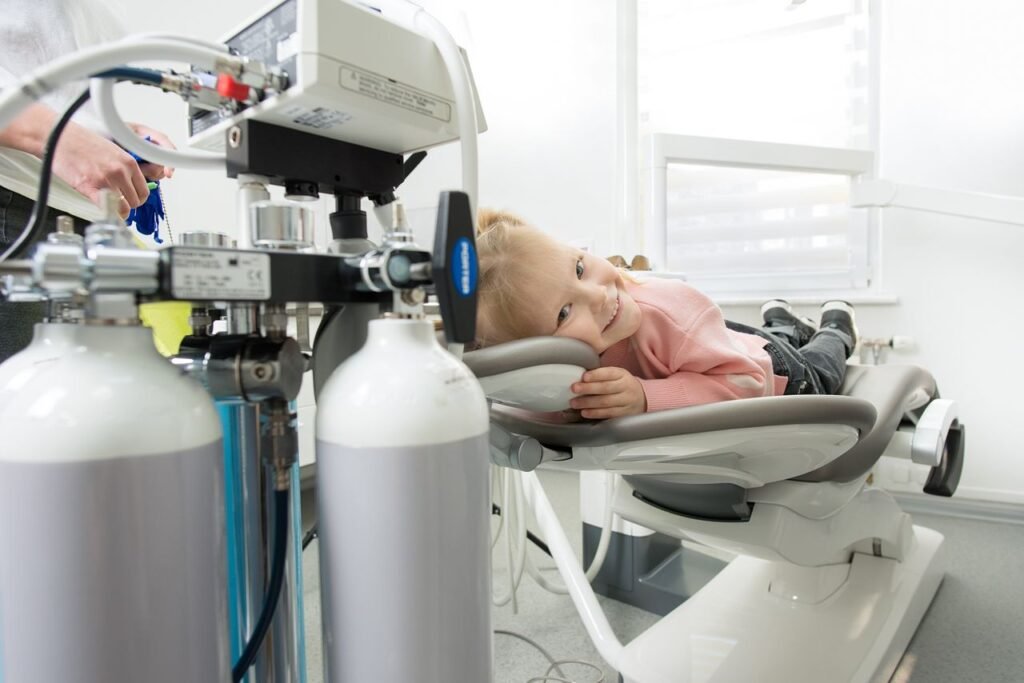
Yes, it’s normal for kids to grind their teeth, especially at night, and most children grow out of it by their early teens. Studies suggest somewhere between 15 and 40 percent of children grind at some point. It’s usually temporary and harmless. It becomes a concern when it causes jaw pain, headaches, heavy tooth wear, or comes with snoring or pauses in breathing, which can signal a sleep-breathing problem. A checkup with your children’s dentistry team can tell you which camp your child is in.
If you’ve heard that sound from your kid’s room at 2 a.m., you know it’s unsettling. Like someone chewing gravel. But most of the time, the teeth are fine, and the habit fades as the adult teeth settle in.
At Honey Smile Dentistry, a family dentist in Toronto based in North York, parents mention grinding at checkups all the time. We look at the teeth, the bite and the bigger picture, including sleep and breathing.
Grinding is one of those things best tracked over time, which is why regular general and family dentistry visits matter. Comparing tooth wear from one visit to the next shows whether things are stable or getting worse.
In the rare cases where baby molars wear down badly, small protective dental crowns can cover them until they fall out naturally. If you’ve noticed grinding at home, you can request an appointment online and we’ll take a look.
What is bruxism in children?
Bruxism is the habit of grinding, clenching or gnashing the teeth, either during sleep (sleep bruxism) or while awake (awake bruxism). In children, sleep bruxism is far more common, and many kids have no idea they do it.
Why do kids grind their teeth?
There’s rarely one cause. Common contributors include:
- Growing teeth and changing bites. When baby teeth are lost and adult teeth come in, the bite shifts constantly. Grinding is sometimes the jaw “finding” where teeth meet.
- Stress or anxiety. A new school, a move, family changes or even exam season can show up as night grinding.
- Sleep-disordered breathing. Enlarged tonsils or adenoids, allergies and nasal blockage are linked with grinding. The jaw may push forward to help open the airway.
- Pain. Earaches or teething can trigger grinding as a response to discomfort.
- Medications. Some stimulant medications for ADHD and certain antidepressants are associated with bruxism.
- Other conditions. Children with cerebral palsy or some developmental conditions grind more often.
At what ages is grinding most common?
| Age | What’s typical |
|---|---|
| 1 to 3 years | Grinding as baby teeth come in, usually brief |
| 3 to 6 years | Common peak, often linked to growth and the full baby-tooth bite |
| 6 to 12 years | Mixed teeth, bite changing, grinding may come and go |
| 13 and up | Most kids have stopped. Persistent grinding needs a closer look. |
Signs your child is grinding their teeth
- Grinding or clicking sounds during sleep
- Flat, chipped or shorter-looking teeth
- Complaints of a sore jaw or face in the morning
- Headaches, especially near the temples, on waking
- Tooth sensitivity to cold
- Earaches with no ear infection
- Trouble chewing or a tired jaw at breakfast
Signs that point to a breathing issue
- Loud snoring most nights
- Mouth breathing during the day or night
- Gasping or pauses in breathing while asleep
- Restless sleep, night sweats or bedwetting after being dry
- Daytime tiredness, irritability or trouble concentrating
- Dark circles under the eyes
If grinding comes with snoring, mouth breathing or breathing pauses, talk to your child’s family doctor or pediatrician. These can be signs of obstructive sleep apnea, which affects growth, behaviour and learning, and needs medical evaluation. This article is general information and doesn’t replace an exam by your child’s dentist or doctor.
Is grinding harmful to baby teeth?
Usually not much. Baby teeth have thinner enamel and will show wear, but that wear is often cosmetic and the teeth fall out anyway. Problems are more likely if:
- Wear reaches the softer dentin underneath, causing sensitivity
- The nerve gets close to being exposed
- Grinding continues once permanent teeth arrive
- Jaw pain or headaches interfere with daily life
How is grinding in kids treated?
For most children, the answer is to watch and wait. Here’s how dentists usually approach it:
- Exam and history. Check tooth wear, the bite, jaw joints, tonsils and ask about sleep, stress and medications.
- Baseline records. Photos or notes on wear so changes can be tracked at future visits.
- Address triggers. Calmer bedtime routines, less screen time before bed, managing allergies or congestion.
- Medical referral if needed. For snoring or breathing concerns, a referral to the family doctor, pediatrician or ENT specialist.
- Protect teeth if wear is severe. Smooth sharp edges, treat sensitivity or cover badly worn baby molars.
- Night guard for older kids. Usually only considered once most permanent teeth are in, since growing jaws change the fit quickly.
Night guards for kids: yes or no?
| Situation | Night guard? |
|---|---|
| Toddler or preschooler with mild grinding | No, jaw growth makes fit difficult and wear is usually minor |
| School-age child with mixed teeth and no symptoms | Usually no, monitor at checkups |
| Teen with most permanent teeth and noticeable wear or pain | Often yes, a custom guard protects enamel |
| Grinding with sleep apnea signs | Medical evaluation first |
Store-bought boil-and-bite guards aren’t recommended for children. A poorly fitting guard can affect the bite and may be a choking risk for younger kids.
What can parents do at home?
- Keep a regular, calm bedtime routine
- Turn off screens at least an hour before bed
- Talk through worries during the day, so they don’t follow your child to bed
- Avoid caffeine, including chocolate and some sodas, in the evening
- Gently massage the jaw and cheeks if they’re sore
- Note when grinding happens and bring that to the dentist
Myths about kids, grinding and dental visits
“Grinding means my child has worms.”
This is an old belief that still pops up online. There’s no good evidence linking teeth grinding to intestinal worms.
“My child’s teeth will be ruined.”
Most children’s teeth show some wear and nothing more. Serious damage is uncommon and can be managed.
“Kids will be scared of the dentist if we go about this.”
A grinding check is a gentle, quick look. Children’s visits are paced for kids, with lots of explaining and no surprises. Starting positive dental visits early is one of the best ways to prevent dental anxiety later.
Typical patient scenarios
The 5-year-old night grinder. Parents heard grinding most nights. Teeth showed mild wear, no pain, no snoring. We took notes and photos, and the wear stayed stable over the next 2 checkups.
The snoring 7-year-old. Loud grinding plus snoring and daytime tiredness. We referred to the family doctor, who sent the child to an ENT. After tonsils and adenoids were removed, both the snoring and the grinding eased.
The stressed teen. A 15-year-old grinding during exam season woke up with jaw pain and headaches. A custom night guard protected the enamel, and some stress-management changes helped the habit settle.
Common mistakes parents make
- Ignoring snoring because “kids just snore”
- Buying an over-the-counter mouth guard for a young child
- Assuming grinding always needs treatment
- Waking the child repeatedly to stop the grinding (it rarely helps and disrupts sleep)
- Skipping regular checkups where wear can be tracked
Choosing a family dentist in Toronto for your kids
Look for a dentist who checks more than teeth, asking about sleep, breathing and habits. Children should feel safe and unhurried, and parents should get clear answers. Your dentist should be registered with the Royal College of Dental Surgeons of Ontario (RCDSO).
Honey Smile Dentistry, at 12 Inn on the Park Dr, Toronto, ON M3C 0P9, is a premium boutique dental clinic in the North York area. The clinic was designed for comfort, with advanced technology, a calm, welcoming space and personalized care for every age.
We’re welcoming new patients and offer children’s dentistry, general and preventive care, cosmetic dentistry, teeth whitening and dental implants. Online booking is easy, and we keep family appointments flexible.
Call +1 437-525-2715 or email info@honeysmiledentistry.ca to book your child’s visit.
Grinding vs clenching: what’s the difference?
Both fall under bruxism, but they look and sound different.
| Habit | What you notice | Typical effect |
|---|---|---|
| Grinding | Audible scraping or squeaking during sleep | Flat, worn biting edges |
| Clenching | Silent, but a tight jaw or sore face in the morning | Jaw muscle soreness, headaches, small chips |
Clenching is harder to catch because there’s no sound. Sore cheeks or a tight jaw at breakfast are the usual clues.
What happens at a grinding check for kids?
- A chat with you first. When did you notice it, how often, any snoring, any recent stress or medication changes?
- A gentle look at the teeth. We check for flat spots, chips and sensitivity.
- Jaw and muscle check. Light pressure on the jaw joints and cheek muscles to look for tenderness.
- Throat and airway look. A quick peek at tonsil size and whether your child breathes through the mouth.
- Plan. Usually monitoring, sometimes a referral or protective treatment.
The whole thing takes a few minutes and fits into a regular checkup.
Can awake grinding happen in kids too?
Yes, especially during concentration, like homework, video games or screen time, or when a child is upset. Gentle reminders work better than scolding. Some families use a quiet signal, like touching your own cheek, to remind the child to relax the jaw with lips together and teeth apart.
Chewing gum all day can make jaw muscles more tired, so it’s worth limiting if your child clenches a lot.
When should you book a visit sooner?
- Your child complains of tooth pain or sensitivity
- You notice a chipped or broken tooth
- Jaw pain makes eating difficult
- Your child’s jaw locks or clicks painfully
Frequently asked questions
Should I wake my child up if they are grinding?
Usually not. Waking them rarely stops the habit and disrupts their sleep. Mention the grinding at their next dental visit instead.
At what age do kids stop grinding their teeth?
Most children stop by age 12 or 13, once their permanent teeth are in and the bite stabilizes. Grinding that continues into the teen years should be checked.
Can teeth grinding in kids cause headaches?
Yes. Grinding and clenching can cause morning headaches and jaw soreness. If headaches are frequent, see your child’s doctor as well as the dentist.
Is teeth grinding a sign of sleep apnea in children?
It can be, especially when it comes with loud snoring, mouth breathing or pauses in breathing. These signs need evaluation by a doctor.
Do kids need a night guard for grinding?
Most young children do not. Custom night guards are usually considered for older children and teens with permanent teeth who show significant wear or pain.
Conclusion
Teeth grinding is common in kids and usually fades as their adult teeth settle in. Keep an eye out for jaw pain, heavy wear, snoring or breathing pauses, since those need a closer look. Regular checkups make it easy to track changes and step in only if needed.