
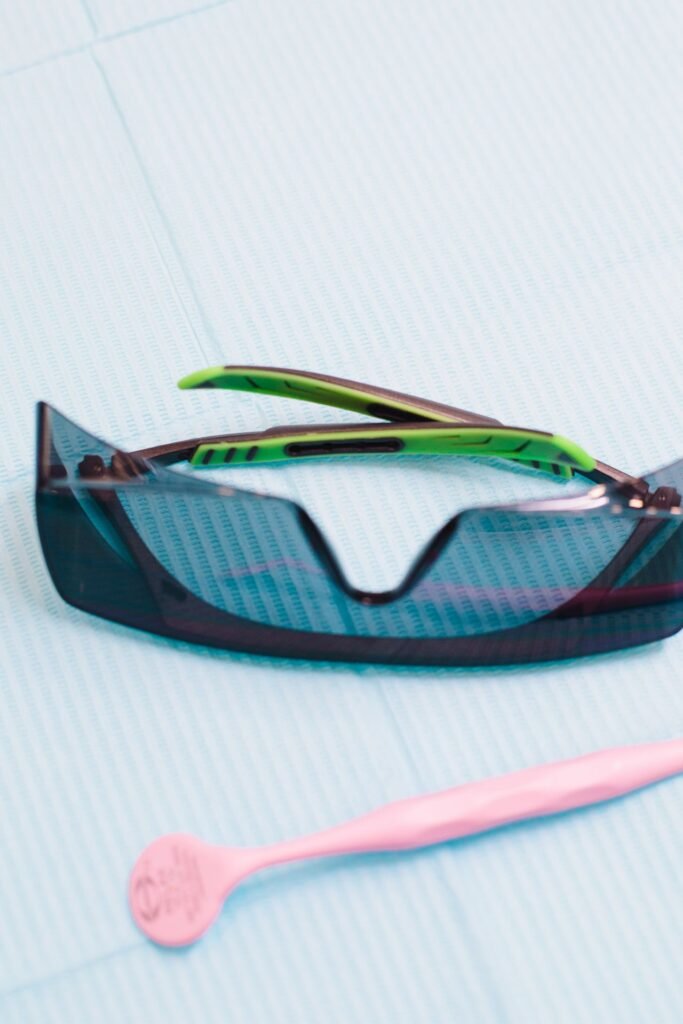
A child should see a dentist by their first birthday, or within six months of the first tooth appearing, whichever comes first. That timing surprises many parents, but early visits are short, gentle and mostly about assessment and guidance rather than treatment. Baby teeth matter because they guide the adult teeth into position and decay in them can spread quickly, so establishing children dentistry care early prevents most problems before they start.
Early childhood tooth decay is one of the most common chronic conditions in children, and it is almost entirely preventable. Prevention works best when it begins before there is anything to fix.
First visits are deliberately low key. At a dental clinic in Toronto the aim of appointment one is familiarity, not a full examination checklist.
Family scheduling helps enormously as well. Booking children alongside adult general and family dentistry appointments normalises the visit and saves separate trips.
Accidents happen with active children, and knowing where to go beforehand reduces panic. Having access to same day emergency dental care matters when a tooth is knocked out at the playground.
For children who are genuinely fearful or who need extensive treatment, options exist. Sedation dentistry is used selectively and only after a careful assessment of the child and the treatment required.
If your child has not yet been seen, requesting an appointment now is easier than waiting for a problem to appear.
Why the First Visit Matters So Much
The first appointment achieves four things that have nothing to do with drilling or cleaning.
- Baseline assessment. Tooth eruption pattern, bite development, tongue and lip function, and any early enamel changes are recorded.
- Risk profiling. Diet, bottle and cup habits, brushing routine, fluoride exposure and family history establish how often the child needs to be seen.
- Parent education. Practical coaching on brushing a resistant toddler, snack timing and what to do in an accident.
- Familiarity. A positive first experience in a dental chair shapes attitudes for decades.
That last point is the most underestimated. Children who first attend for a painful problem are far more likely to carry anxiety into adulthood.
Why Baby Teeth Are Not Disposable
Primary teeth serve several functions before they are replaced.
- They guide permanent teeth into the correct position and preserve arch space
- They allow proper chewing and nutrition during a period of rapid growth
- They support clear speech development
- They affect confidence and social interaction at school
- Their roots sit directly above developing adult teeth, so infection can affect the permanent tooth beneath
Primary enamel is also thinner than adult enamel, which means decay reaches the nerve faster. A cavity in a baby tooth can progress from small to painful in months rather than years.
What Actually Happens at the First Appointment
- Welcome and settling. The child is given time to look around. Very young children often sit on a parent lap for the examination.
- History taking. Pregnancy and birth history, feeding, medications, developmental milestones and any family dental concerns.
- Knee to knee or chair examination. For infants, the child lies back across two adults facing each other. Older toddlers usually manage the chair with a parent nearby.
- Visual check. Teeth, gums, tongue, frenum attachments, palate and jaw relationship are examined quickly and gently.
- Cleaning if appropriate. A soft brush or polishing cup removes plaque. This is often skipped at a first visit for very young children.
- Fluoride varnish if indicated. A quick painless application that hardens enamel and reduces decay risk.
- Parent discussion. Findings, brushing technique demonstration, diet advice and recall interval.
- Positive ending. The visit finishes on a friendly note so the child associates the place with something pleasant.
Radiographs are not routine at a first visit. They are taken only when there is a specific clinical reason, such as suspected decay between teeth or a concern about a missing tooth.
Preparing Your Child Before You Arrive
- Use simple, neutral language. Say the dentist will count and check the teeth
- Avoid words like hurt, needle, drill or pain, even in reassurance
- Do not promise it will not hurt, because that introduces the idea
- Read a picture book about visiting the dentist
- Play at checking teeth with a toothbrush and a mirror at home
- Book a morning appointment when children are rested
- Bring a comfort item such as a favourite toy or blanket
- Stay calm yourself, since children read parental anxiety very accurately
Avoid describing your own bad dental experiences in front of the child. Parental fear is one of the strongest predictors of childhood dental anxiety.
Age by Age Care Guide
| Age | What to expect | Home care focus |
|---|---|---|
| 0 to 6 months | No teeth yet, gum care begins | Wipe gums with a clean damp cloth daily |
| 6 to 12 months | First teeth appear, first dental visit due | Brush with a smear of fluoride toothpaste, stop bottles at bedtime |
| 1 to 3 years | Full primary set erupting, teething discomfort | Parent brushes twice daily, move from bottle to cup |
| 3 to 6 years | Complete primary dentition, habits establish | Supervised brushing, limit sugary snacks, begin flossing where teeth touch |
| 6 to 12 years | Mixed dentition, first adult molars arrive | Sealants considered, mouthguard for sport, independent brushing with checks |
| 12 plus | Adult teeth mostly in place | Full independence, orthodontic assessment, wisdom tooth monitoring |
Brushing a Child Who Resists
- Choose a consistent time and stick to it, so it becomes routine rather than negotiation
- Stand or sit behind the child with their head tilted back against you for better visibility
- Use a small soft brush and a smear of fluoride toothpaste under three years, a pea sized amount after
- Brush in a set order every time so no surface is missed
- Count out loud or use a two minute song
- Let the child brush first, then finish the job yourself until around age seven or eight
- Do not rinse with water afterwards, so fluoride stays on the teeth longer
- Use a reward chart for consistency rather than for perfect behaviour
Diet: What Really Drives Childhood Decay
Frequency matters more than total quantity. Each sugar exposure produces around twenty to thirty minutes of acid attack, so six small snacks are far more damaging than one larger treat with a meal.
- Avoid bottles or sippy cups of milk, formula or juice at bedtime or during the night
- Move from bottle to open cup by around twelve to fifteen months
- Keep juice to mealtimes and dilute it, or choose water and milk as everyday drinks
- Watch hidden sugars in yoghurt tubes, cereal bars, dried fruit and flavoured milk
- Sticky and slowly dissolving sweets are worse than something eaten quickly
- Offer cheese, plain yoghurt, vegetables or nuts as between meal snacks
- Check whether any regular medicines are sugar based and rinse afterwards
Myths About Children Dental Care
Myth: baby teeth do not need filling because they fall out anyway. Untreated decay causes pain, infection, missed school and can damage the permanent tooth developing underneath.
Myth: children only need to see a dentist once they start school. Guidance is by the first birthday. Early visits are about prevention and habit formation.
Myth: fluoride is unsafe for children. Fluoride at the correct dose is well established as safe and effective. Risk relates to swallowing large amounts, which is why quantity is age adjusted and supervision matters.
Myth: thumb sucking always ruins teeth. It is generally harmless before permanent front teeth arrive. It becomes relevant if it continues past age four or five, and it is managed with gentle strategies rather than punishment.
Myth: dental treatment for children is frightening and painful. Modern paediatric care emphasises explanation, distraction and gradual familiarisation. Most children cope very well when the first visit happens before there is a problem.
Handling a Dental Emergency With a Child
- Knocked out baby tooth. Do not attempt to reinsert it. Control bleeding with gauze and seek assessment.
- Knocked out permanent tooth. Handle only by the crown, rinse briefly with milk or saline, reinsert gently if possible or store in milk, and seek care within the hour.
- Chipped tooth. Save the fragment, rinse the mouth and arrange assessment promptly.
- Toothache. Give age appropriate pain relief, offer soft cool food and book the same day.
- Facial swelling. Treat as urgent and seek care immediately.
- Bitten lip or tongue. Clean gently, apply pressure with gauze and use a cold compress. Deep cuts may need medical review.
Keeping the clinic phone number saved in your phone before you need it makes a genuine difference in the moment.
Boutique Family Dental Care in North York
Children respond to environment as much as to technique, which is why setting matters. Honey Smile Dentistry is a premium boutique dental clinic in Toronto, located in the North York area at 12 Inn on the Park Dr, Toronto, ON, Canada, M3C 0P9, with a calm, welcoming and sophisticated atmosphere and a strong focus on patient comfort.
Appointments are unhurried, which is exactly what young children need. There is time to explain, to show instruments before using them, and to stop if a child needs a break.
Care available spans children dentistry, general and preventive dentistry, restorative treatment, sedation options where clinically appropriate, cosmetic dentistry and teeth whitening for adults, so families can be seen together across the whole age range.
New patients of all ages are welcome, and appointments can be booked online or by phone. The team can be reached at info@honeysmiledentistry.ca or on +1 437-525-2715, and it helps to mention your child age and any previous dental experience when you book so the right amount of time can be allocated.
Frequently Asked Questions
When should my child first see a dentist?
By the first birthday, or within six months of the first tooth erupting. Early visits are quick and focus on assessment, risk profiling and parent guidance rather than treatment. Starting this early means most children never experience a painful first appointment, which shapes their attitude to dental care long term.
How often should children have check ups?
Every six months suits most children, but the interval is set by individual risk. Children with previous decay, deep grooves in their molars, orthodontic appliances, high sugar diets or dry mouth may be seen every three to four months, while low risk children can sometimes be seen annually.
Are dental X-rays safe for children?
Yes, when clinically justified. Modern digital images use a very low dose with focused beams and protective shielding. They are not taken routinely at every visit for young children, but they are important for detecting decay between teeth and checking that adult teeth are developing normally.
What if my child is very frightened?
Fear is common and manageable. Short familiarisation visits with no treatment, letting the child sit in the chair, explaining instruments in simple terms and building up gradually resolves most cases. Where extensive treatment is needed and cooperation is not achievable, sedation options can be discussed after a full assessment.
Do baby teeth with cavities really need treating?
Yes. Primary enamel is thinner, so decay progresses to the nerve faster than in adult teeth. Untreated cavities cause pain and infection, can damage the developing permanent tooth underneath, and early loss of a baby tooth can allow neighbouring teeth to drift and reduce space for the adult tooth.
Conclusion
A first dental visit by the first birthday sets your child up with healthy habits and a positive attitude toward dental care. Baby teeth guide permanent teeth into place, so protecting them is an investment rather than an expense. Early, gentle and regular visits prevent nearly all common childhood dental problems.